
Types of Glazing Systems We Manufacture

Glazing Bars For Glass
Lonsdale offers a wide range of structural glazing bars for single glazing, double glazing and triple glazing. These vary in appearance from traditional to modern, are available in a range of colours, and both self-supporting glazing systems and glazing bars suitable for fixing on top of timber rafters are available.
Glazing bars are non-structural components that hold glass or polycarbonate panels securely. These systems come in different types. All our systems are manufactured to British Standards, and our range includes patent glazing, self-supporting solutions, and rafter-supported options.
Traditional Inverted T Bars feature an upside down ‘T’ shape with either continuous beads or a snap or screw on capping to retain the glass. Examples are our SkyGard Glazing bars and PlasGard Glazing Bars
Box-Bar Glazing Bars have the advantage of thermal breaks so offer better insulation values and reduce risk of condensation in heated spaces. See our ThermGard Glazing Bars

Self Supporting Glazing Bars
For a contemporary and cost effective solution to your glazing needs and the perfect addition to carports and conservatories and lean to roofs, self supporting glazing bars can be installed without the need for supporting rafters or frames. The Lonsdale range consists of various size sections to long and short spans. Typical maximum spans are 4000mm for single glazing and 5000mm for double glazing subject to design wind & snow loads.
Maximum spans vary by section, for example:
Section | Single Glazing | Double Glazing |
| ALM 100/1 | 3000 mm | 1900 mm |
| ALM 100/3 | 4400 mm | 3600 mm |
| ALM 100/5 | 5500 mm | 4500 mm |
These bars can span up to approximately 5.5m depending on specification and loading.
Learn about our self supporting glazing bar solutions for porticos, conservatories, lean tos, canopies and other structures.

Traditional Patent Glazing Bars
Lonsdale patent glazing systems have been installed at some of the most prestigious and important heritage and conservation buildings throughout the UK. These include Buckingham Palace, Cliveden, St James’s Palace, Windsor Castle, The British Museum, 10 Downing Street, Holyrood Palace, The V&A Museum, Marble Arch and Clarence House.
The installation of roof glazing systems for conservation and heritage rooflights requires careful consideration as it is important any design is in keeping with the original fabric of the building. Various glass types can be installed into glazing systems which offer UV protection and solar shading, sometimes important considerations to avoid degradation of the interiors, furniture or exhibits within the precious buildings.
Typical maximum spans:
Section | Single Glazing | Double Glazing |
| SKY50 | 2300 mm | – |
| SKY65 | 2750 mm | 1800 mm |
| SKY71 | 3300 mm | 2400 mm |
| SKY76 | 3950 mm | 3000 mm |
These are guidance figures and may vary depending on site loads.
Discover the benefits of our traditional glazing bars
Glazing Bars for Polycarbonate
A range of glazing bars for polycarbonate, approved by all manufacturers of polycarbonate sheets, are available both self-supporting and suitable for fixing on top of timber rafters. Due to the flexible nature of polycarbonate it is vital the sheets are securely clamped in place and Lonsdale glazing systems for polycarbonate feature wider rebates and screw on cappings for robust installation. Critically, the gasket used in bar systems must be compatible with the polycarbonate to avoid chemical migration which can prove detrimental over time both in terms of performance and appearance.
See our PlasGard glazing bars for polycarbonate.

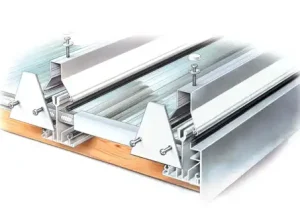
Rafter Supported Glazing Bars
Rafter supported rooflight bars provide a watertight seal with integrated gaskets and drainage for high performance weathering, Lonsdale offers structural components for timber rafters in both contemporary and heritage styles.
Read more about our rafter supported glazing bars.
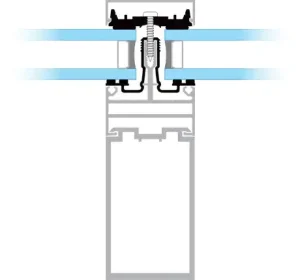
Aluminium Rooflight System
Discover our Safegard TG-50 Aluminium Rooflight System. We accurately fabricate to ensure that your aluminium rooflight is perfectly tailored to your property needs. Get weather tight, high performance aluminium rooflights for your commercial of domestic space.
Read more about our aluminium rooflight systems.
Get Your Quote Today
Contact our team today to start your journey towards high quality roof windows, skylights and glass roofs.
For glazing bars and accessories, look no further than our team at Lonsdale Metal.
Choose the Right Glazing Bar System
Not sure which bar system is right for you? Our table below lays out each different type, best usages and more to help you decide.
| System | Best For | Support Type | Span Capacity | Glazing Type |
|---|---|---|---|---|
| SkyGard (Patent) | Unheated spaces, walkways, canopies, platforms and verandas | Traditional inverted T-bar | Up to 3,950mm | Single 6–10mm |
| ThermGard (Self-Supporting) | Conservatories, orangeries, garden rooms, heritage buildings, rooflights for heated spaces | Box rafter (no timber needed) | Up to 5,500mm | Double/single |
| ThermGard-R (Rafter) | Timber-framed structures | Requires timber rafters | Varies by rafter | Double/single |
| PlasGard (Polycarbonate) | Budget projects, DIY installations | Snap-down or screw-fix | Varies | Polycarbonate |
| SafeGard TG50 | Commercial, non-fragile requirements | Thermally broken aluminium | Wide centres, long spans | Double/triple IGU |

Glazing bars first came into common use towards the end of the 19th Century. The most famous example which survives today is Crystal Palace built for the Grand exhibition in 1851 and features hundreds of glazing components.
Other notable buildings of the time are Kew Gardens, Chatsworth’s Great Conservatory and The Glasshouse at Down House
Traditionally glazing systems were made from timber or steel and glazed with putty. Technology at the time did not allow glass panels to be manufactured in large sizes, so glazing bars were typically installed at 600mm spacings and often the glass was simply over-lapped in the glazing bar rebate. This was a common feature of fashionable conservatories at the time.
The British Standard Code of Practice For The Design & Installation of Sloping & Vertical Patent Glazing defines a glazing bar as a ‘longitudinal supporting member in patent glazing that spans between structural members and incorporates water channels’.
Check out our easy to follow Installation Videos for Glazing Bars here:
Lonsdale Patent Glazing & Rooflights – YouTube
The integral drainage channels in glazing bars are an essential feature as any water penetrating the system drains harmlessly out the bottom of the glazing bars to the outside of the building. Many modern patent glazing systems feature high performance cappings, drainage channels, and gaskets that prevent water ingress and some systems can achieve exceptional weather-tightness ratings up to E1650 as designated in BSEN12208
At Lonsdale we recommend glazing bars are installed at a minimum pitch of 15 degrees for optimum weather-tightness and also at this pitch rain water flows faster enough to carry debris off the glass roof so the rooflight bars and glass remain cleaner. However, glazing bars are available that can be installed as low as 5 degree pitch and still remain weather-tight.
Where you require bar systems for a domestic, commercial or heritage project our expert team is here to help and provide a cost effective solution for your building.
Contact our team today to start your glazing bar installation process!
Why Choose Lonsdale Metal for Your Glazing Bars?
With over 70 years of experience in the glazing industry, Lonsdale Patent Glazing and Rooflights are committed to enabling you to build safe, durable and watertight roof windows, roofs and skylights.
Our team is highly qualified, with offices in London, Exeter, Birmingham, Manchester and Glasgow to assist customers nationwide with the design and installation of our glazing bar products. Our nationwide delivery ensures that you can have the perfect glazing bars for your structures wherever you are in the country.
Do you manufacture and provide installation for glazing bars?
Yes. Lonsdale Metal manufactures glazing bar systems in the UK and supplies them either direct to customers or through a national network of registered installers. Trade customers can purchase supply-only systems or building/home owners and main contractors can be referred to an approved installer for full installation.
Do you ship internationally, or just the UK?
Lonsdale delivers throughout the UK mainland and islands. The company’s glazing bars and roof glazing systems have also been installed in projects both in the UK and abroad, demonstrating their suitability for international projects where required.
What Are the Benefits of Installing Glazing Bars?
Cost Effective
Glazing bars provide a cost effective method for installing glass overhead be that in a simple domestic roof window, or large commercial rooflight.
Aesthetics
Frames and rafters can also give aesthetic appeal. By selecting an aluminium base, or even wood or other materials, you can enhance the appearance of roof windows, skylights and roofs effortlessly.
All our glazing bars are available in a range of architectural finishes including polyester powder coating to suit all structures.
Durability
Correctly installed, glazing bars offer many years of good service. There are many glass roofs installed many years ago still showing fantastic structural integrity. Maintenance is minimal, but provided they are regularly cleaned, glass roofs featuring aluminium glazing bars can have a design life of forty years or more.
Energy Saving Benefits
Modern glazing bars are installed with hermetically sealed double glazed or triple glazed units providing excellent insulation.
Modern systems offer excellent air-permeability enabling easier control of the building’s environment. Careful design brings many benefits from natural daylight and this combination with insulating glass units means significant savings can be made both in terms of lighting, heating and ventilation.
Where are glazing bars commonly found?
Glazing bars make a great addition to a wide range of both commercial and domestic structures. They’re most typically found in conservatories, greenhouses, and glass roofing features in commercial properties like train stations, museums, and shopping centres.
Are glazing bars structural or decorative?
Glazing bars serve both a structural and decorative purpose. Not only do they support the weight of glass and provide greater strength and rigidity, they also help to enhance the aesthetics of a building.
What constitutes a glazing bar?
A glazing bar is the load bearing aluminium member that supports and secures glass panels in overhead glazing systems such as rooflights, canopies and skylights. Glazing bars typically include:
- Base bar / carrier rail
- Pressure plate
- External cover cap or beads
- Rubber gaskets
- Integral drainage channels
These components clamp and seal the glass, while allowing safe load transfer to the supporting structure.
Dimensions vary depending on the system, but common examples include:
- Glazing bars are typically 40mm to 60mm wide
- Glazing bar spacing typically around 600 to 900mm centres in many patent glazing systems
- Our 4-edge support SafeGard TG50 systems is suitable for installation upto 1200mm centres
Glazing bars are commonly manufactured from extruded aluminium, polyester powder coated finishes, EPDM rubber gaskets, and stainless or coated steel fixings.
Aluminium is typically used because it is lightweight, corrosion resistant and structurally strong, making it suitable for supporting glass in roof glazing applications.
What is the load-bearing capacity of glazing systems?
The load-bearing capability of glazing bars depends on:
- wind loading
- snow loading
- glass weight
- glazing bar span
- site conditions
Design calculations typically consider combined loading conditions including wind, snow and self-weight of the glass and bars.
Do your glazing bars comply with industry standards?
- We ensure that all of our glazing products comply with industry standards, including:
- BS 5516 – design and installation of patent glazing
- BS 6399 – loading for buildings
- BS CP3 Chapter V Part 2 – wind load data
These standards ensure structural safety and durability in overhead glazing systems.
What are the starting prices of your glazing bar systems?
Exact prices vary depending on the system, glass specification, spans and project complexity.
Because of this, we encourage you to request a quotation from our technical team, as each glazing system is designed specifically for every individual project.
What are the standard colours and finishes?
Glazing bars are typically supplied with a durable polyester powder-coated finish, to standard RAL colour range providing weather resistance and long-term durability. Mill finish is also available if required.
A range of decorative external cover caps and finishes is available, allowing systems to achieve either:
- a contemporary glass roof appearance, or
- a traditional heritage style suitable for period buildings.
For more information on available colour options for specific systems, contact the technical team.


About Lonsdale
Established in 1946, Lonsdale remains a market leading manufacturer of glazing bars for overhead glazing. Important buildings where our systems have been chosen as the best available include Buckingham Palace, Windsor Castle, St Pancras & Kings Cross Stations, The British Museum and homes for eminent people including Sir Rod Stewart, Sir Iain McKellen and Sir James Dyson. As members of The Rooflight Association, Lonsdale are key advisors to The British Standards Institute and Government in terms of pioneering Building Regulations and improving standards. We place key emphasis on providing our customers great quality products, exceptional value and outstanding service. Our experienced team plays a key role in providing practical and technical advice to customers, so please do not hesitate to contact us with details of your glazing bar project.